 升級VIP會員

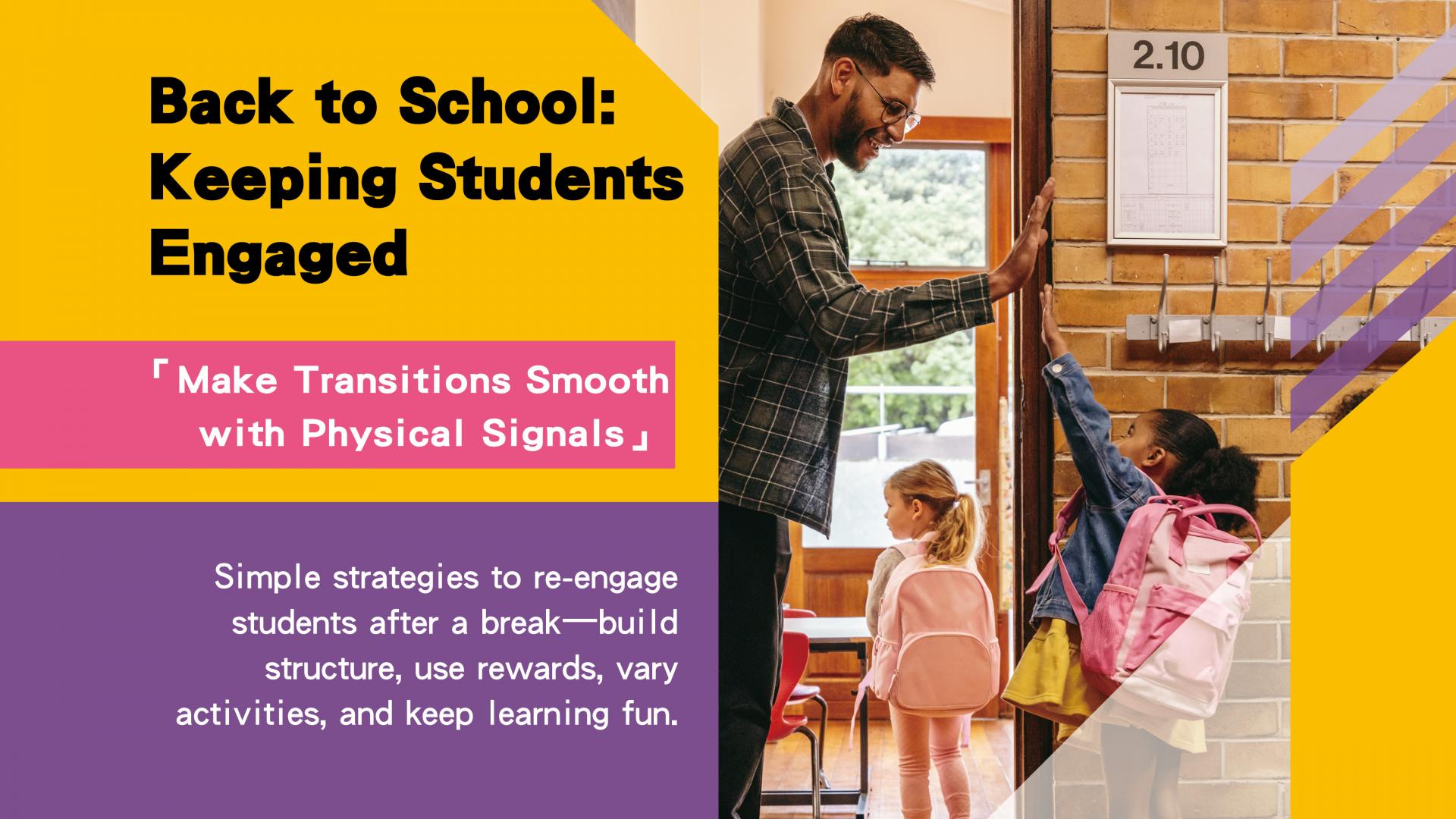
Back to School: Keeping Students Engaged
By Michelle Strydom
Getting back to learning after a long break, such as summer vacation, winter holidays or Lunar New Year, can be difficult for both teachers and students. After being away from school for a while, it can be hard for students to focus again. To help students stay engaged in the lesson and keep their attention, teachers can use some helpful strategies. Whether teaching in a classroom or online, these strategies can help students learn better and stay focused.1. Create a Structured Classroom
One of the first steps to getting students back into learning is to set up a positive classroom environment. Students are more likely to pay attention when they feel safe and motivated. It’s important for teachers to create rules and expectations from the first day. Having clear rules helps students understand what is expected of them.At the start of a new class, I always introduce classroom rules. These rules are based on the behaviors I want to see in class, and I try to make them fit the needs of each group.
For example, rules like:
- Speak English
- Raise hands to speak or ask questions
- Sit properly
- Respect others
2. Reward Good Behavior
Another way to keep students engaged is by using a reward system. When students know they will be rewarded for good behavior and participation, they are more likely to stay focused. I use a tiered reward system that I explain to students at the beginning of the year. This system helps students earn rewards for their participation or good behavior.For example:
- Individual rewards: Every time a student answers a question or behaves well, they can earn a point-card. This gives them instant feedback and motivates them to keep participating.
- Group rewards: Sometimes, I give rewards to an entire group. This encourages students to work together and helps shy students who might not feel comfortable speaking in front of the class. They can still earn rewards by contributing to their group.
3. Use Fun and Interactive Cues
To grab students’ attention during class, I use simple interactive cues. These cues help keep students focused and alert. One way I do this is by saying “eyes on me,” and the students respond with “eyes on you.” This is a quick way to get everyone’s attention.However, I’ve found that physical cues can be even more effective. For example, I say the word “shark,” and all the students immediately put their hands above their heads, showing they are ready to move quickly. When I say, “Turn to page 54, and shark,” students know they have to hurry. The first group to complete the task gets a reward.
This method not only helps students pay attention faster, but it also makes transitions between activities quicker. Students are motivated to be the fastest, which makes the class move smoothly.
4. Change Lessons for Different Students
Every student learns differently, so it is important to adjust lessons based on what works best for each group. I teach two classes at the same level using the same material, but I plan different activities for each class depending on their preferences.For example:
- One class enjoys learning games like Pictionary or spelling races. They enjoy moving around and working in groups.
- Another class prefers to work independently and enjoys tasks like word searches or crossword puzzles.
5. Use Different Activities to Keep Things Interesting
If students do the same activities every day, they might lose interest. To avoid this, I try to mix up the activities and keep things fresh. Some activities might be PowerPoint games, where students answer questions by clicking on different parts of the screen. Other times, I use online tools, like spinning wheels, to choose who answers a question next.I also use traditional games like throwing a sticky ball at the whiteboard or rolling dice to decide which group goes next. This variety helps make learning fun and keeps students focused because they never know what to expect next.
By using different types of activities, I can make sure that every student has a chance to participate. It also helps students stay active and engaged throughout the lesson.
Conclusion
Getting back into a good learning rhythm after a break can be challenging, but it’s possible with the right strategies. Teachers can create a classroom environment where students feel safe, motivated, and excited to learn. By setting clear rules, using a reward system, adding fun cues, adjusting lessons for different students, and keeping activities interesting, teachers can keep students engaged and focused.When students are involved and motivated, they can learn better and enjoy their time in class. These simple strategies help make learning enjoyable and effective for everyone.