 升級VIP會員

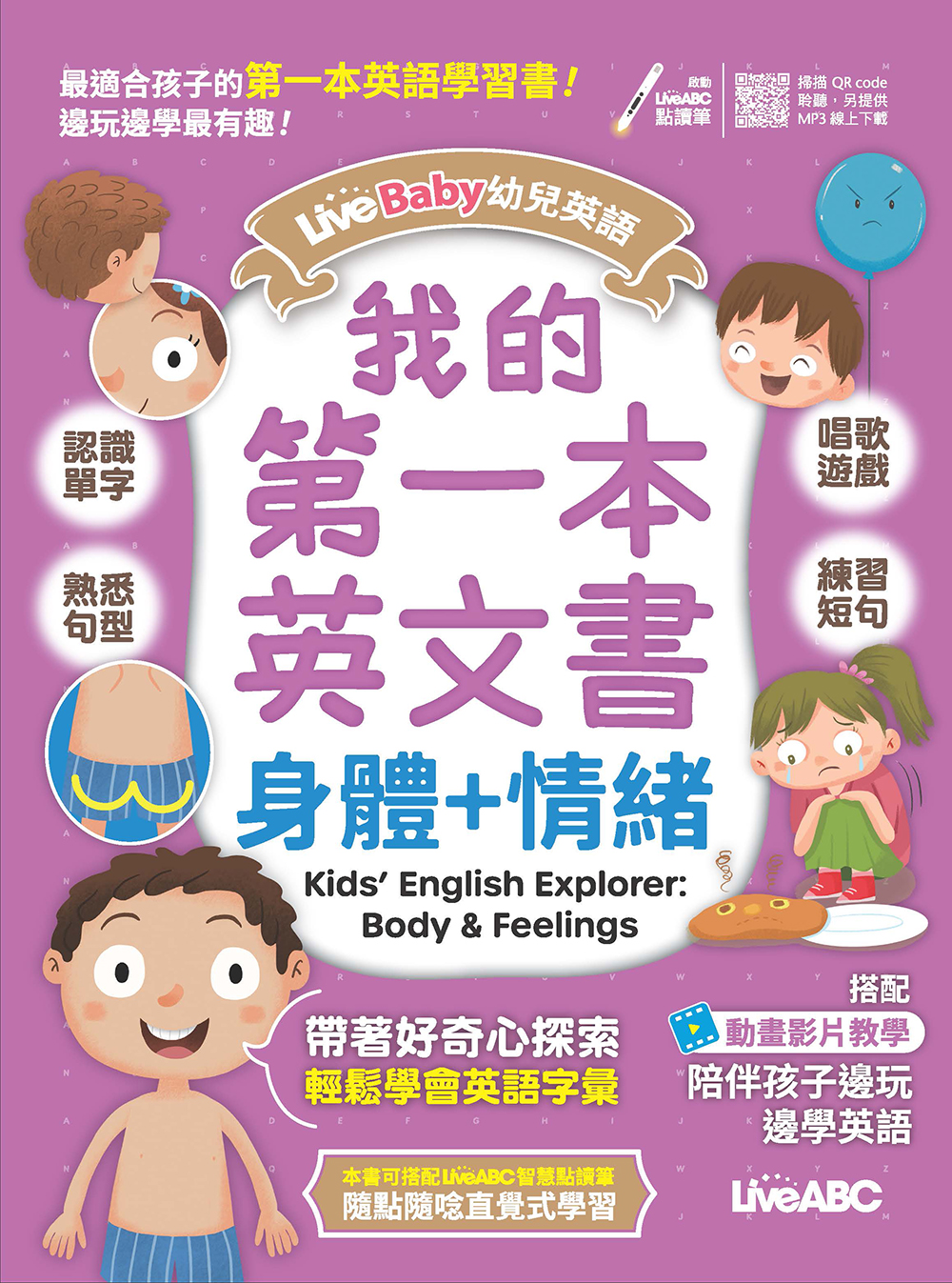
LiveBaby 幼兒英語 我的第一本英文書 (身體+情緒)
Suggested Teaching Procedure:
| Stage | Content | Page | Time |
| 1 | Warm up | P. 50-51, P. 55-62 | 10 mins |
| 2 | Story time | P. 63-65 | 25 mins |
| 3 | Activities | Worksheets / Craft | 20 mins |
| 4 | Wrap up | P. 66 | 5 mins |
1. Warm up ( 10 minutes )
Objectives
- Activate prior knowledge of basic emotion vocabulary
- Reinforce sentence structure: “I feel ___.”
- Support emotional awareness through movement-based activities
Teaching Steps
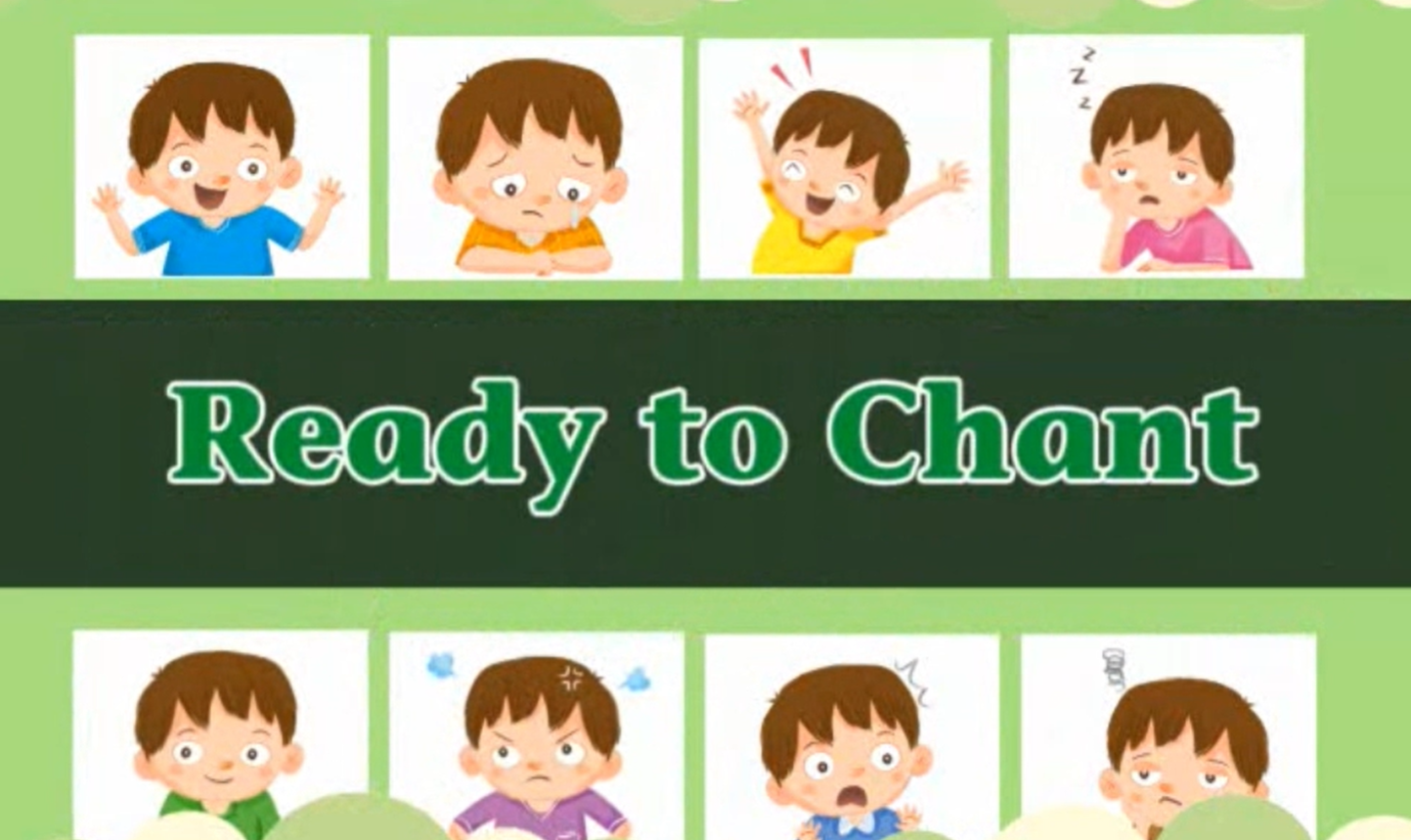
Step 1Use the QR code in the student book to play “Ready to Chant” (Track 27).
Encourage students to chant along and respond with appropriate actions.
Display pages 55–62 to review the emotions happy, sad, calm, and angry.
Guide students to identify the emotions and orally practice the sentence pattern “I feel ___.”
To reinforce learning, conduct the following kinesthetic activity:
Suggested Activity: Ball Jump & Hit
Materials
· Soft ball(s)
· Four emotion vocabulary words displayed on the whiteboard
Procedure:
1. Write the four target emotion words on the whiteboard.
2. Ask students to line up at the starting point.
3. Give one student a soft ball and instruct them to hold it between their legs.
4. Say one emotion word aloud.
5. The student jumps toward the whiteboard while holding the ball.
6. The student touches or hits the correct word.
7. The student returns to the line, and the next student takes a turn.
This activity may be conducted individually or as a team competition.
The team or student with the most correct responses wins.
Teaching Notes
· Use soft balls to ensure classroom safety.
· Demonstrate the jumping movement before the activity begins.
· Articulate each emotion word clearly and at a moderate pace.
· For additional support, gesture toward the word while saying it.
Step 3Play the “Emotions Hokey Pokey” song (YouTube).
Explain the rules of the game and guide students to express facial emotions while performing the movements in the circle.
Encourage enjoyment and active participation.
2. Story time (25 minutes)
Objectives
- Introduce new emotion vocabulary: excited and tired
- Connect emotions to real-life experiences
- Practice sentence-level oral production
Teaching Steps
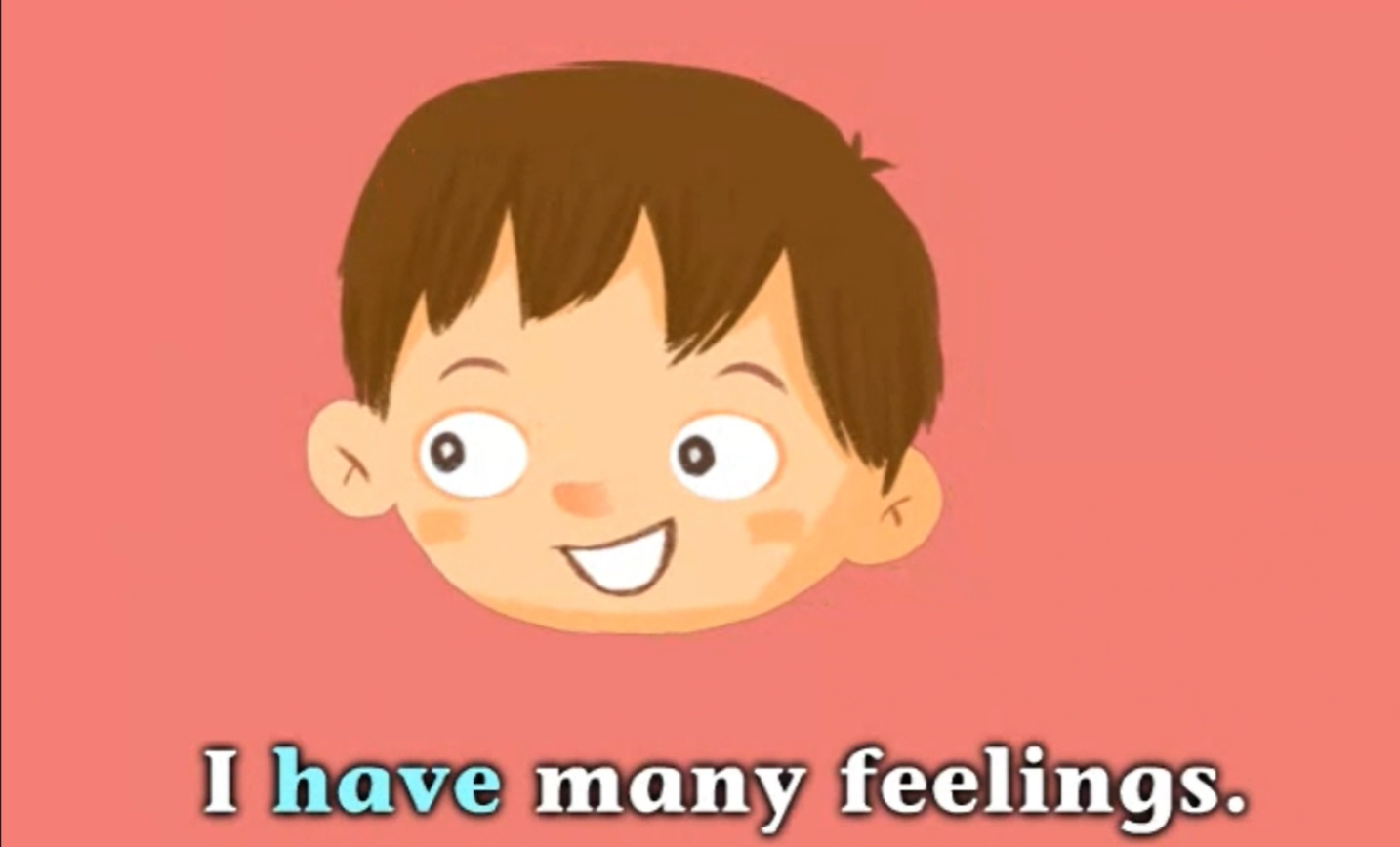
Step 1: Introducing “Excited”Display page 63 and introduce the emotion excited.
Use visual aids showing activities such as playing on the playground, taking an airplane, or eating favorite food.
Guide students to describe the emotion using the sentence “I feel excited.”
Step 2: Introducing “Tired”
Using the same page, introduce the emotion tired.
Show pictures related to activities such as doing homework, running for a long time, or reading many books.
Have students practice saying “I feel tired.”
Play Track 35 to reinforce listening comprehension and pronunciation.
Step 3: Sentence Practice and Substitution
Display pages 64–65.
Model expressive responses:
- “I feel excited. I say ‘weee!’”
- “I feel tired. I say ‘whew!’”
Play Track 36 (video) and practice:
- Page 64: “I can make an excited face.”
- Page 65: “Nobody wants to be tired.”
3. Activities (20 minutes)
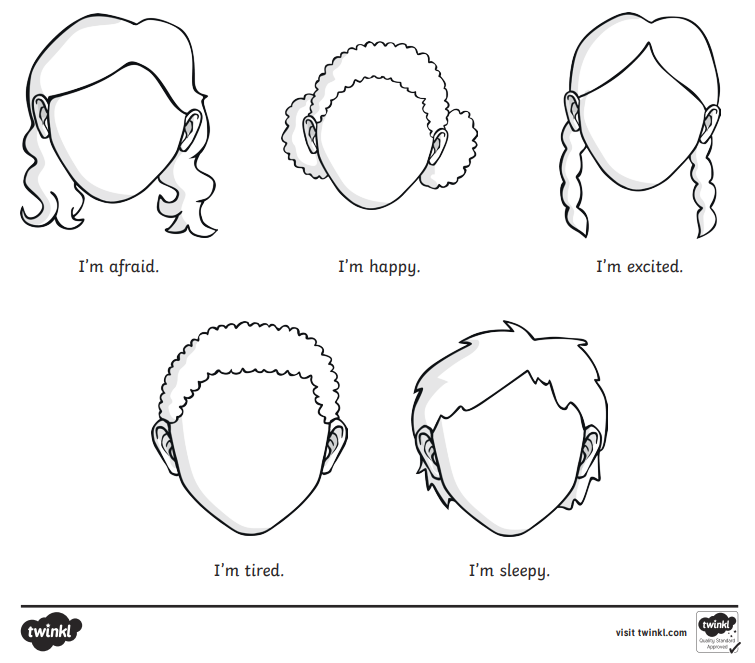
Activity 1: Emotions Activity Sheet
Use the worksheet to practice sentence patterns through drawing facial expressions.
Students draw and match emotions while orally producing:
· “I can make an excited face.”
· “Nobody wants to be tired.”
Activity 2: Feeling Monster Craft
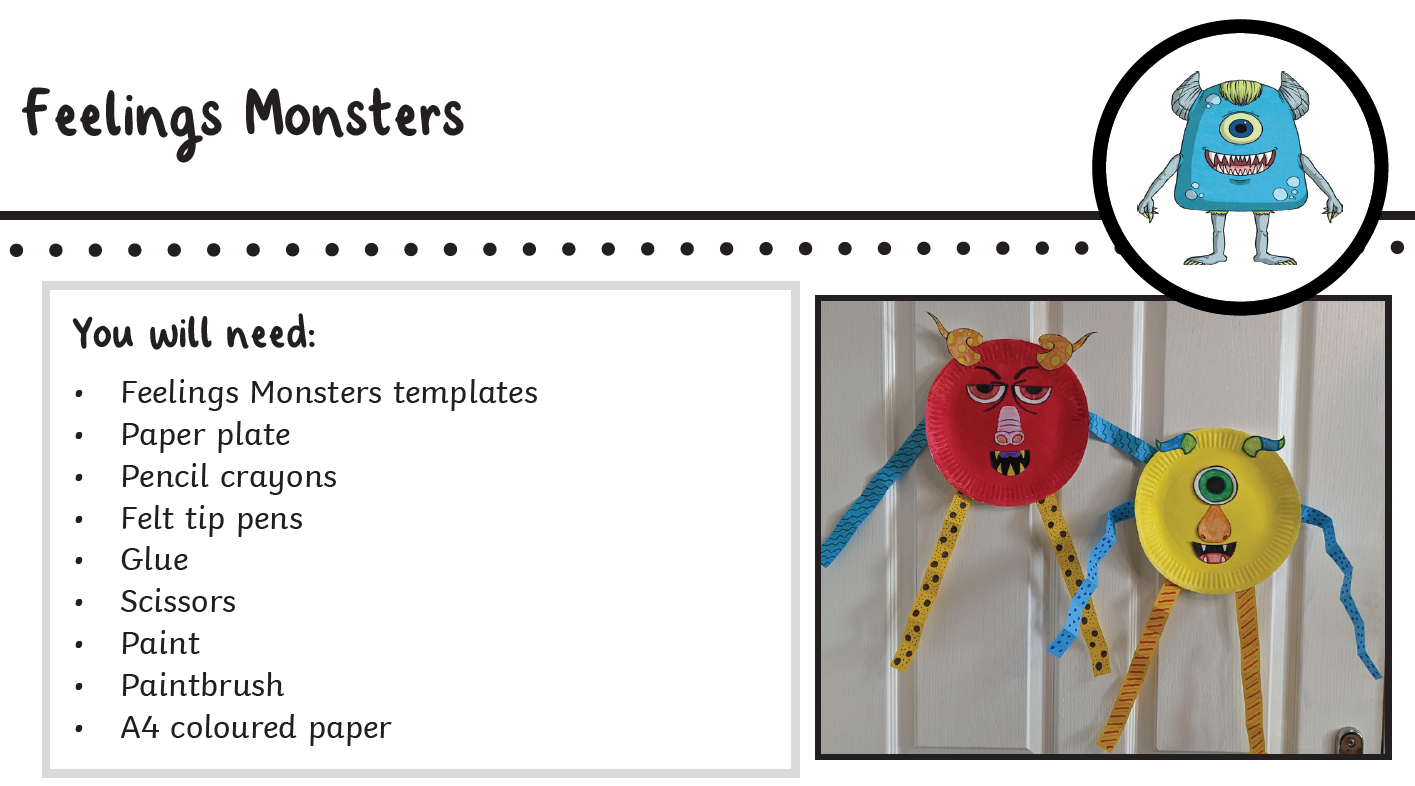
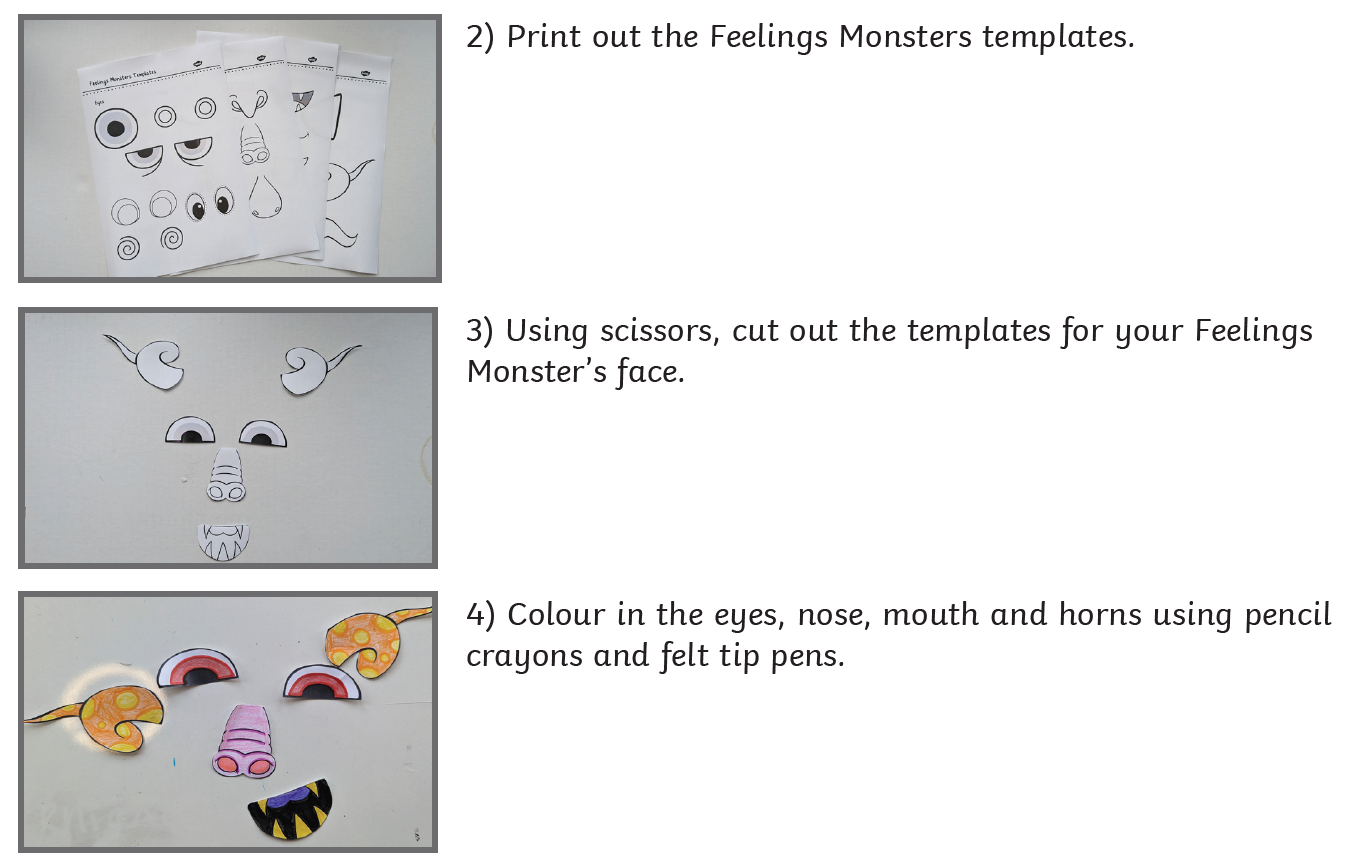
Guide students to create the Feeling Monster craft.
During the activity, prompt students to talk about emotions using simple sentences and teacher-supported questions.
4. Wrap up (5 minutes)
Teaching Steps
Step 1Display page 66 and review all emotions learned in the lesson.
Ask guided questions such as:
- “When do you feel happy?”
- “When do you feel tired or angry?”
Briefly introduce the idea that some feelings are pleasant and some are uncomfortable, and that learning to recognize emotions helps us respond appropriately.
Step 2
Play Track 36 again and invite students to sing and dance together to conclude the lesson positively.